August 28, 2026
Indoor air quality plays an important role in the comfort and overall condition of a home. Dust, pollen, pet dander, excess moisture, volatile organic compounds, and other contaminants can accumulate indoors, particularly when ventilation or filtration is inadequate. Expert local HVAC contractors can help homeowners identify these concerns and determine how heating, cooling, filtration, and ventilation systems may be affecting the air they breathe. Through inspections, maintenance, equipment upgrades, and practical recommendations, these professionals can support a cleaner and more comfortable indoor environment. Understanding how HVAC equipment influences air quality also helps homeowners make informed decisions about routine maintenance and long-term improvements.
Understanding Indoor Air Quality
Indoor air quality, commonly called IAQ, describes the condition of the air inside a home or other enclosed building. Temperature, humidity, ventilation, airborne particles, and chemical pollutants can all influence its quality. Because people often spend substantial amounts of time indoors, maintaining appropriate air conditions is an important part of creating a comfortable living environment. Poor air circulation can allow contaminants to remain trapped inside, while excessive moisture may create conditions that encourage mold and mildew.
Common indoor pollutants include dust, pollen, pet dander, smoke, cleaning-product residues, and volatile organic compounds released by certain paints, furnishings, and household materials. Symptoms associated with poor indoor conditions can include eye or throat irritation, headaches, allergy symptoms, and respiratory discomfort. Identifying the source of a problem is not always straightforward, which is why local HVAC contractors may evaluate airflow, humidity, filtration, and equipment performance as part of a broader assessment.
Evaluating HVAC System Influence
Heating, ventilation, and air conditioning equipment does more than regulate temperature. An HVAC system continuously moves air throughout a home, making its cleanliness and operating condition relevant to indoor air quality. Filters capture airborne particles before they circulate through living spaces, while ventilation helps introduce outdoor air and remove stale indoor air. Humidity management can further support comfortable conditions throughout different seasons.
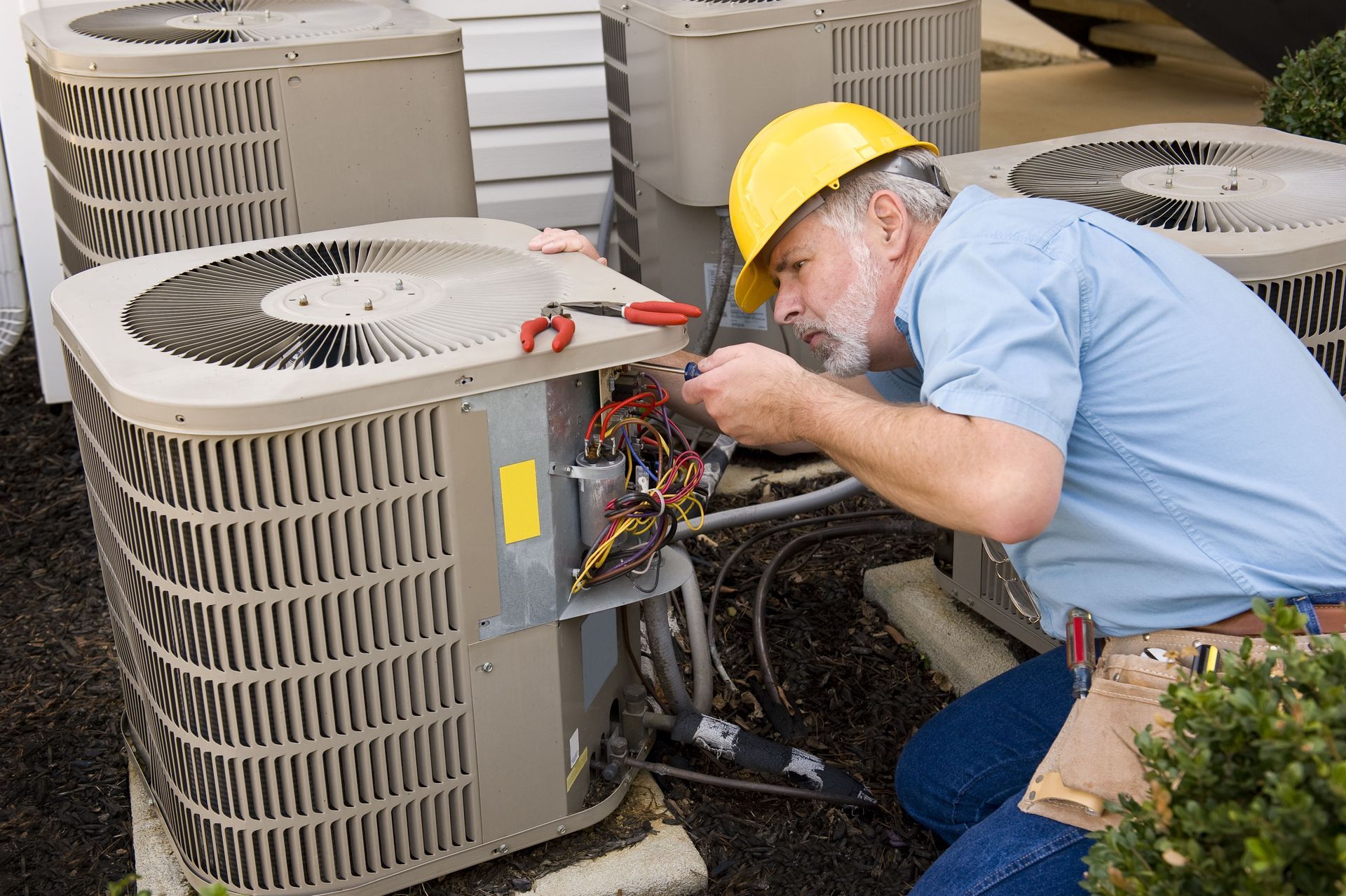
When equipment is neglected, however, accumulated debris, clogged filters, or airflow restrictions can interfere with performance. Routine inspections allow technicians to check system components, identify potential problems, and recommend appropriate maintenance. According to Workyard, although about one in three people worry about the condition of their HVAC equipment, only 30% schedule preventative maintenance. Consistent upkeep can help homeowners address minor concerns before they affect comfort, efficiency, or air circulation.
Improving Air Filtration
Filtration is one of the primary ways an HVAC system can reduce airborne particles. Filters are available in different designs and efficiency levels, and the appropriate choice depends on the equipment, household needs, and types of contaminants present. Local HVAC contractors can evaluate whether an existing filter provides suitable filtration without creating unnecessary resistance that could restrict airflow through the system.
Replacing filters on an appropriate schedule is equally important. A heavily clogged filter may reduce airflow and force heating or cooling equipment to work harder to maintain the desired temperature. Homes with pets, allergy concerns, renovation dust, or other sources of airborne particles may require more frequent attention. Rather than relying on a universal replacement interval, homeowners should consider manufacturer recommendations and actual household conditions.
Enhancing Fresh Air Exchange
Ventilation helps dilute pollutants by exchanging stale indoor air with cleaner outdoor air. Modern homes can be tightly sealed for energy efficiency, which may reduce uncontrolled air leakage but can also make intentional ventilation more important. Depending on the property, professionals may recommend exhaust ventilation, mechanical fresh-air systems, or other strategies that improve circulation without unnecessarily sacrificing heating and cooling efficiency.
Local HVAC contractors can assess whether rooms receive adequate airflow and determine whether ductwork, vents, or system design contributes to uneven circulation. Addressing blocked registers, poorly balanced airflow, or inadequate ventilation can make different areas of the home feel more consistent. Improved circulation may also help reduce lingering odors and excessive moisture in spaces where stale air tends to collect.
Managing Indoor Humidity
Humidity has a substantial influence on indoor comfort and air conditions. Excessive moisture can encourage mold growth and create a damp environment, while extremely dry air may contribute to dry skin, irritated nasal passages, and static electricity. Seasonal weather changes can make maintaining a balanced humidity level challenging, especially in regions that experience hot, humid summers or particularly dry winters.
HVAC professionals may recommend whole-home humidifiers, dehumidifiers, ventilation adjustments, or equipment improvements when moisture levels consistently fall outside a comfortable range. Local HVAC contractors can also investigate whether cooling equipment is properly sized and operating effectively, since system performance can affect moisture removal. Managing humidity alongside temperature provides a more comprehensive approach to indoor comfort than focusing on temperature alone.
Using Air Purification Technologies
Some households may benefit from air-cleaning equipment beyond a standard HVAC filter. Depending on the specific concern, available technologies may include enhanced media filtration, activated carbon products, or certain air-treatment systems designed to address particular airborne contaminants. No single device is appropriate for every home, so understanding the source of an air-quality concern should come before selecting additional equipment.
A professional assessment can help homeowners avoid purchasing equipment that does not match their needs. Technicians can consider the home's size, existing HVAC configuration, airflow requirements, and primary air-quality concerns before recommending an option. Any added air-cleaning technology should also be installed and maintained according to manufacturer requirements so that it operates as intended without interfering with the overall system.
Assessing Indoor Air Quality
Indoor air problems can have multiple causes, making a comprehensive evaluation useful when homeowners experience recurring dust, odors, humidity issues, or inconsistent airflow. Local HVAC contractors can examine filters, ducts, ventilation, equipment condition, and moisture levels to identify factors that may be contributing to the problem. Depending on the situation, monitoring tools may also be used to gather information about humidity, carbon dioxide, or certain airborne contaminants.
An assessment allows recommendations to be based on actual conditions rather than assumptions. In some homes, a simple filter change or maintenance visit may address the concern. Others may require duct repairs, improved ventilation, humidity control, or equipment modifications. Targeted solutions can prevent homeowners from investing in unnecessary products while directing attention toward the areas most likely to improve indoor conditions.
Applying Local HVAC Experience
Regional climate conditions can affect how HVAC equipment manages air quality throughout the year. Temperature swings, outdoor humidity, pollen seasons, and other environmental conditions vary considerably by location. Local HVAC contractors are familiar with these regional patterns and can account for them when recommending maintenance schedules, humidity-control strategies, ventilation improvements, or equipment adjustments.
Working with a nearby provider may also make routine service and follow-up inspections more convenient. Homeowners can review a contractor's qualifications, experience, references, licensing requirements, and service policies before making a decision. Selecting a qualified professional should be based on documented expertise and the suitability of proposed solutions rather than simply choosing the least expensive option.
By combining everyday maintenance with professional guidance, homeowners can support cleaner airflow and more consistent indoor comfort throughout the year. Qualified local HVAC contractors can help identify system-specific concerns, recommend appropriate improvements, and adapt maintenance strategies as equipment and household needs change. Staying proactive about filtration, ventilation, humidity, and equipment performance can ultimately create a more comfortable and well-managed indoor environment for everyone in the home. Contact our team at B & G Heating and Air Conditioning today and learn more about our HVAC services.