May 29, 2026
Keeping your home comfortable during the hottest months of the year requires a highly reliable cooling system. When the sweltering heat arrives, families rely heavily on their indoor climate control to maintain a relaxing and safe environment. However, constant operation places a significant amount of stress on the equipment, eventually leading to unavoidable wear and tear. Recognizing trouble early prevents minor issues from becoming major disruptions. This proactive approach saves frustration. Homeowners frequently encounter a specific set of mechanical failures that disrupt their daily routines and comfort levels. Exploring the most frequent malfunctions sheds light on what happens behind the scenes of your air conditioning unit. Being prepared for these eventualities ensures that you are never caught off guard when the temperatures soar and your comfort is on the line.
Fixing Refrigerant Leaks
A highly frequent issue homeowners encounter involves the chemical compound responsible for extracting heat from the indoor air. When the lines carrying this crucial substance develop tiny holes or cracks, the system loses its ability to cool the property effectively. You might notice that the vents are blowing warm air or that the equipment runs continuously without ever reaching the desired temperature setting. Ice accumulation on the evaporator coils serves as another strong indicator that the refrigerant levels have dropped significantly. A technician must locate the exact source of the escape, seal the breach, and recharge the system with the precise amount of chemical required. Technicians receive extensive training to handle these specific chemical compounds safely. Ignoring this malfunction forces the compressor to work much harder, leading to premature mechanical failure and increased energy consumption. Addressing these leaks promptly restores optimal performance and protects the lifespan of the entire setup. Regular inspections often catch these vulnerabilities before they cause noticeable disruptions in your daily comfort. Maintaining the correct fluid levels ensures that your air conditioning operates at peak performance, providing consistent cooling even during extreme heatwaves. Proper repair involves a comprehensive evaluation of the closed-loop system to guarantee long-term reliability.
Replacing Broken Capacitors
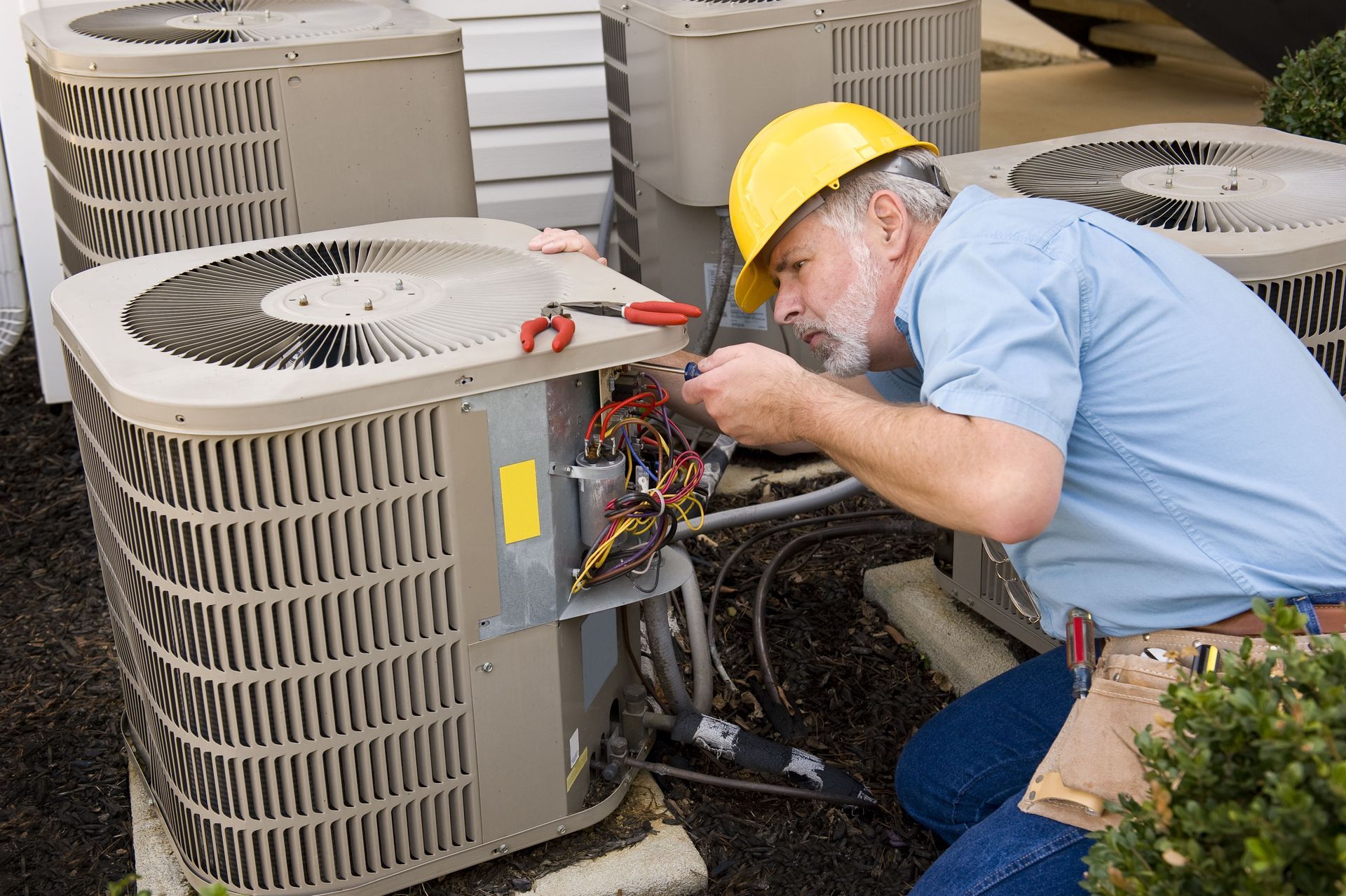
Another prevalent mechanical failure involves the electrical components responsible for jumpstarting the motors within the outdoor cabinet. These small, cylindrical devices store electrical energy and deliver a powerful jolt to the compressor and fan motors when the thermostat signals a demand for cooling. Over time, exposure to extreme outdoor temperatures, electrical fluctuations, and continuous use degrade these internal parts. When a capacitor fails, you might hear a clicking sound coming from the outdoor unit or notice that the fan blades remain stationary while the equipment attempts to run. The system will fail to provide any cooling, leaving your home vulnerable to rising indoor temperatures. Technicians routinely test these electrical storage devices and swap out the faulty ones with exact replacements to restore functionality. A prompt swap ensures uninterrupted relaxation during the hottest afternoons. Because these parts hold a significant electrical charge even when the power is disconnected, attempting a replacement without training presents severe safety risks. Relying on trained professionals guarantees that the electrical integrity of your air conditioning remains intact and safe. Replacing a degraded capacitor serves as a relatively straightforward fix that immediately resolves the starting issue and prevents further stress on the primary motors. Consistent monitoring of these electrical parts prevents unexpected breakdowns during peak cooling seasons.
Unclogging Condensate Drains
As cooling systems extract humidity from the indoor atmosphere, the resulting moisture drips into a collection pan and exits the home through a dedicated pipe. This warm, damp environment creates the perfect breeding ground for algae, mold, and airborne debris to accumulate over time. Eventually, this buildup restricts the flow of water, causing the drain pan to overflow and potentially cause extensive water damage to your ceilings, walls, or floors. Many modern units feature safety switches that automatically shut down the entire system when they detect a blockage, preventing further water accumulation but halting the cooling process entirely. Technicians utilize specialized tools, such as high-powered vacuums or compressed air, to clear the obstruction and flush the drainage line completely. Homeowners must remain vigilant regarding moisture management throughout the seasons. To maintain a functional setup, proactive care remains essential. According to Homes and Gardens magazine, you should schedule maintenance for your HVAC system twice per year, ideally securing professional tune-ups once before summer arrives and once before winter begins. This preventative approach allows technicians to inspect and clear the drainage pathways before severe blockages form. Keeping this drainage system clear guarantees that your air conditioning removes humidity effectively, improving overall indoor comfort. Routine maintenance prevents stagnant water issues and protects your property from unwanted structural damage associated with unchecked moisture overflow.
Repairing Faulty Compressors
The heart of any cooling system resides in the outdoor cabinet, tasked with pumping the refrigerant between the indoor and outdoor coils. This heavy-duty mechanical component endures immense strain during constant operation, making it susceptible to various forms of internal damage. Electrical surges, improper chemical levels, or a lack of routine lubrication often lead to premature wear and tear on the moving parts inside. When this vital component struggles to operate, you may notice loud grinding noises, tripped circuit breakers, or a complete lack of cool air flowing through the ductwork. Because it serves as the most critical and complex part of the refrigeration cycle, malfunctions here require immediate professional attention. A thorough diagnostic evaluation determines whether the internal components can be salvaged or if a complete replacement of the part is necessary to restore functionality. Protecting this central mechanism ensures that the entire system functions harmoniously and delivers consistent comfort throughout the home. Regular checkups help identify minor electrical or mechanical inconsistencies before they destroy the heart of your air conditioning setup. Ensuring that the system receives adequate airflow and operates within its intended parameters significantly extends the functional life of this indispensable and hardworking component.
Addressing Sensor Malfunctions
Modern climate control relies heavily on precise temperature readings to cycle on and off at the appropriate times. The thermostat communicates directly with a small sensor located near the evaporator coil, measuring the ambient temperature of the air entering the return vents. If this delicate component becomes dislodged, dirty, or completely defective, it will send inaccurate signals to the main control board. You might experience the unit constantly cycling on and off rapidly, or running continuously without ever shutting down, creating severe temperature imbalances throughout the living space. Technicians must carefully recalibrate the device, clean its surface, or reposition it to ensure accurate readings. Seamless communication between parts translates to superior climate control efficiency. In some cases, replacing the entire thermostat or the specific sensory probe provides the only reliable solution to erratic cycling behavior. Properly functioning sensors guarantee that the equipment responds accurately to your desired comfort settings without wasting excessive energy. Accurate temperature detection ensures that your air conditioning provides a steady, reliable climate rather than erratic blasts of cold air. Addressing these communication errors promptly restores the delicate balance of your indoor environment and prevents the mechanical components from overworking due to faulty data.
Maintaining a comfortable home requires vigilance and an understanding of the mechanical issues that frequently disrupt indoor cooling. By recognizing the signs of leaks, faulty electrical parts, blocked drains, failing compressors, and misaligned sensors, you can address minor complications before they escalate into major disruptions. Prioritizing swift repairs ensures that your living space remains a relaxing sanctuary regardless of the soaring temperatures outside. Your peace of mind remains our top priority. If you are ready for reliable repairs and exceptional indoor comfort, contact us at B & G Heating and Air Conditioning today. We will help you restore your system to peak performance and keep your home perfectly chilled.